TextilWerk Bocholt and kubaai – A Soundwalk – Part II
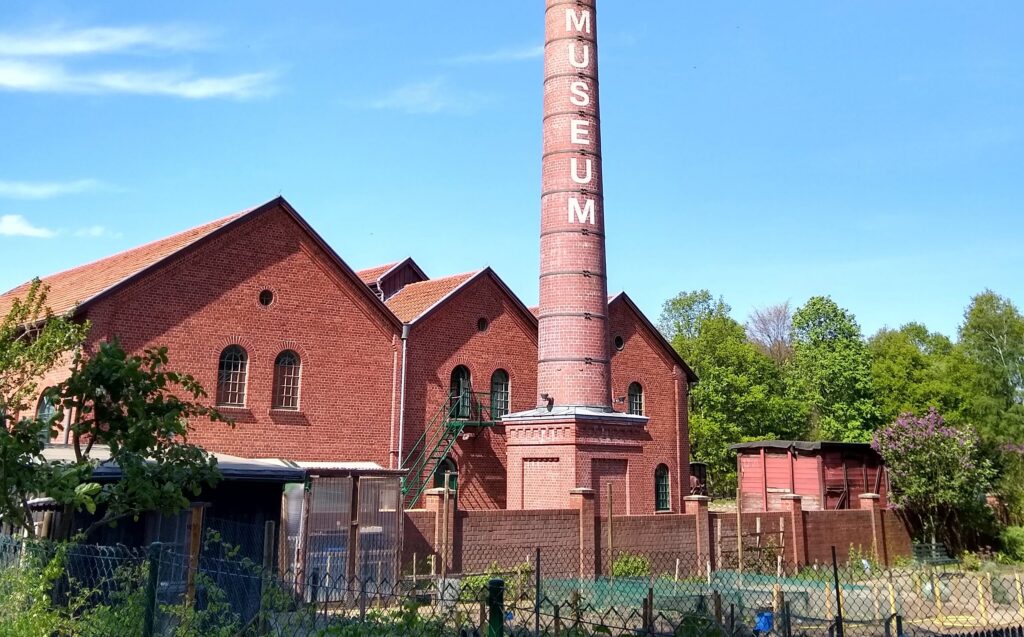
The LWL-Industriemuseum TextilWerk Bocholt is an industrial museum in the small town of Bocholt close to the Dutch border. Its thematic core…

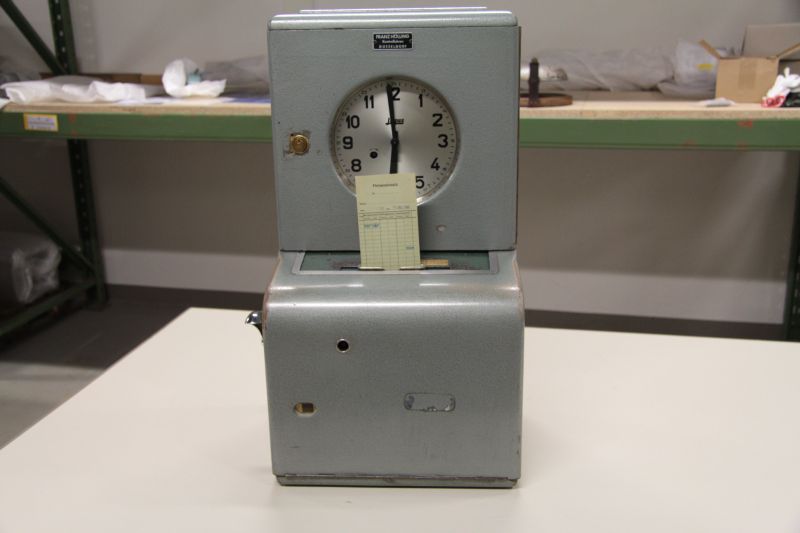
The time clock of the brand “Isgus” was used to record working hours on punch cards. Up until the 1950s, the company Viktor Chemical Works, a nitrogen plant in Castrop-Rauxel, used this clock to monitor the workers‘ hours. Today it belongs to the LWL-Industrial Museum's collection.
Although regulated and supervised working hours were instituted around 1820, it took over 100 years until this type of control clock was installed in factories on a large scale. The initial purpose was merely to record attendance, but it developed into a means to monitor the time as well. The working hours of the employees were supervised and precisely documented to the minute.
The sound of the time clock was heard every time the workers punched their cards. It accompanied them in their work rhythm and marked the beginning and end of their work shift.
Sound recordist: Konrad Gutkowski / Jonathan Nicolai
Photographer: Konrad Gutkowski / Jonathan Nicolai
Video recordist: Konrad Gutkowski / Jonathan Nicolai
The LWL-Industriemuseum TextilWerk Bocholt is an industrial museum in the small town of Bocholt close to the Dutch border. Its thematic core…
Ilosaarirock Festival is an annual rock festival held in Joensuu, Finland. The festival was founded in 1971 and it is the second…
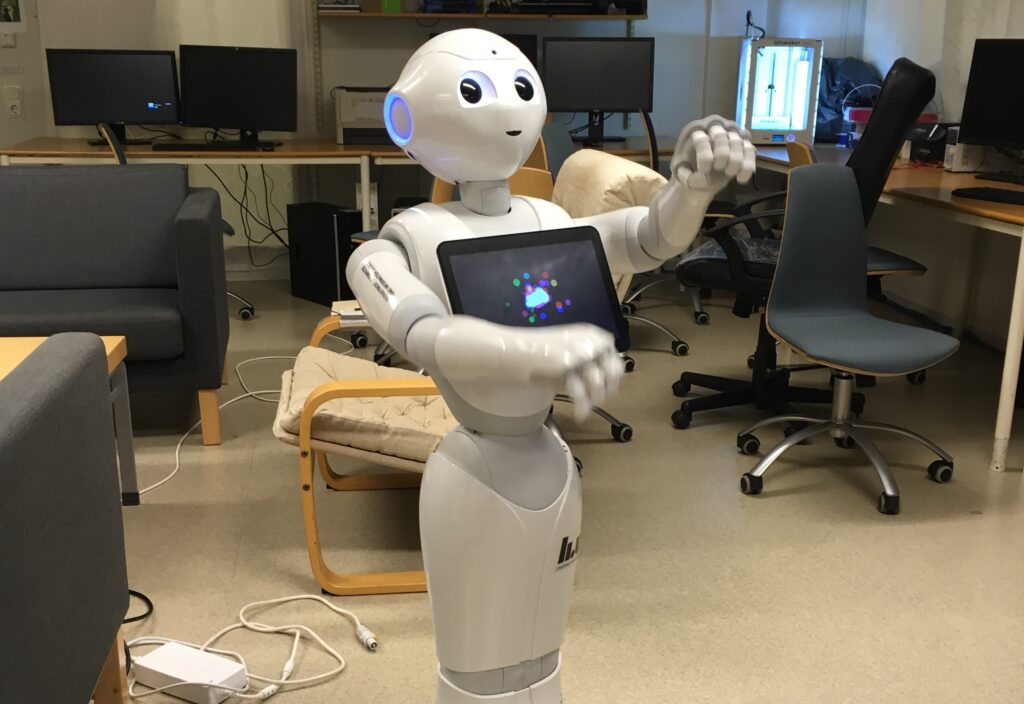
Pepper the Robot comes from Japan. Pepper is a social humanoid robot and is the first one able to recognize faces and…
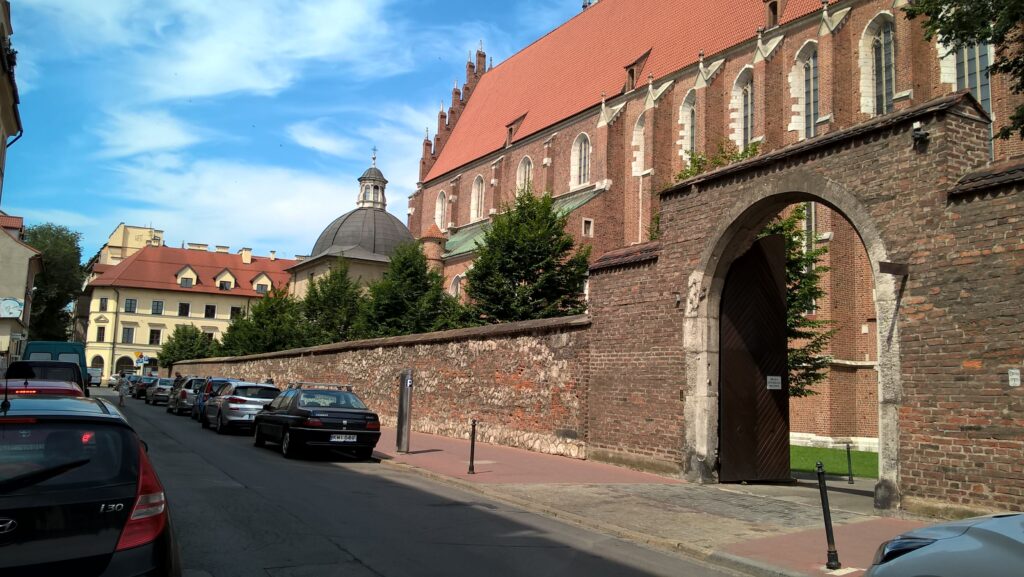
A recording of the soundscape at ulica św. Wawrzyńca in Krakow near the Corpus Christi church. The sounds were recorded in the…