TextilWerk Bocholt and kubaai – A Soundwalk – Part II
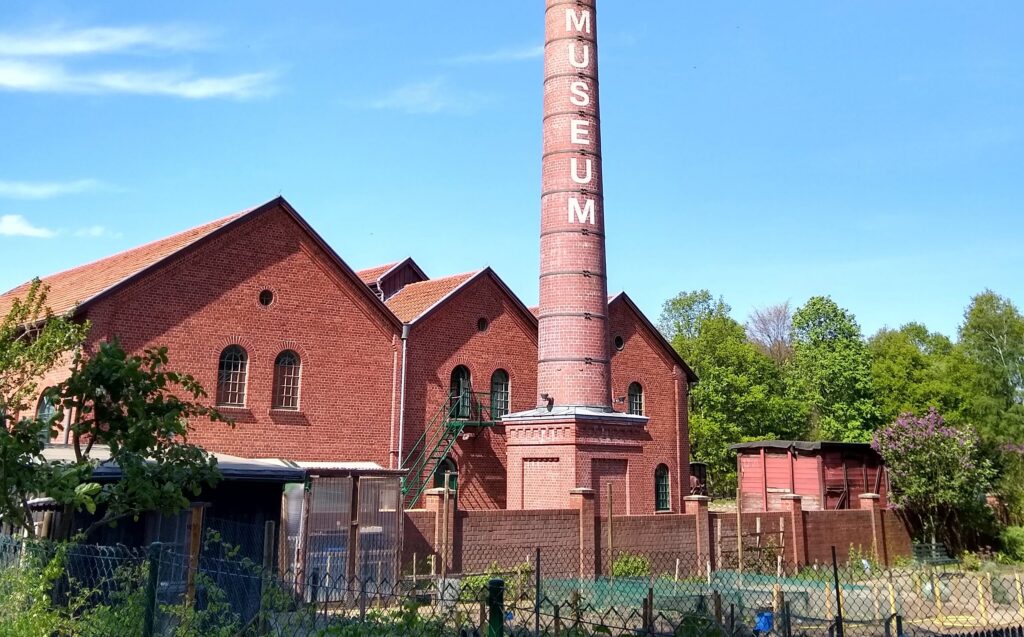
The LWL-Industriemuseum TextilWerk Bocholt is an industrial museum in the small town of Bocholt close to the Dutch border. Its thematic core…

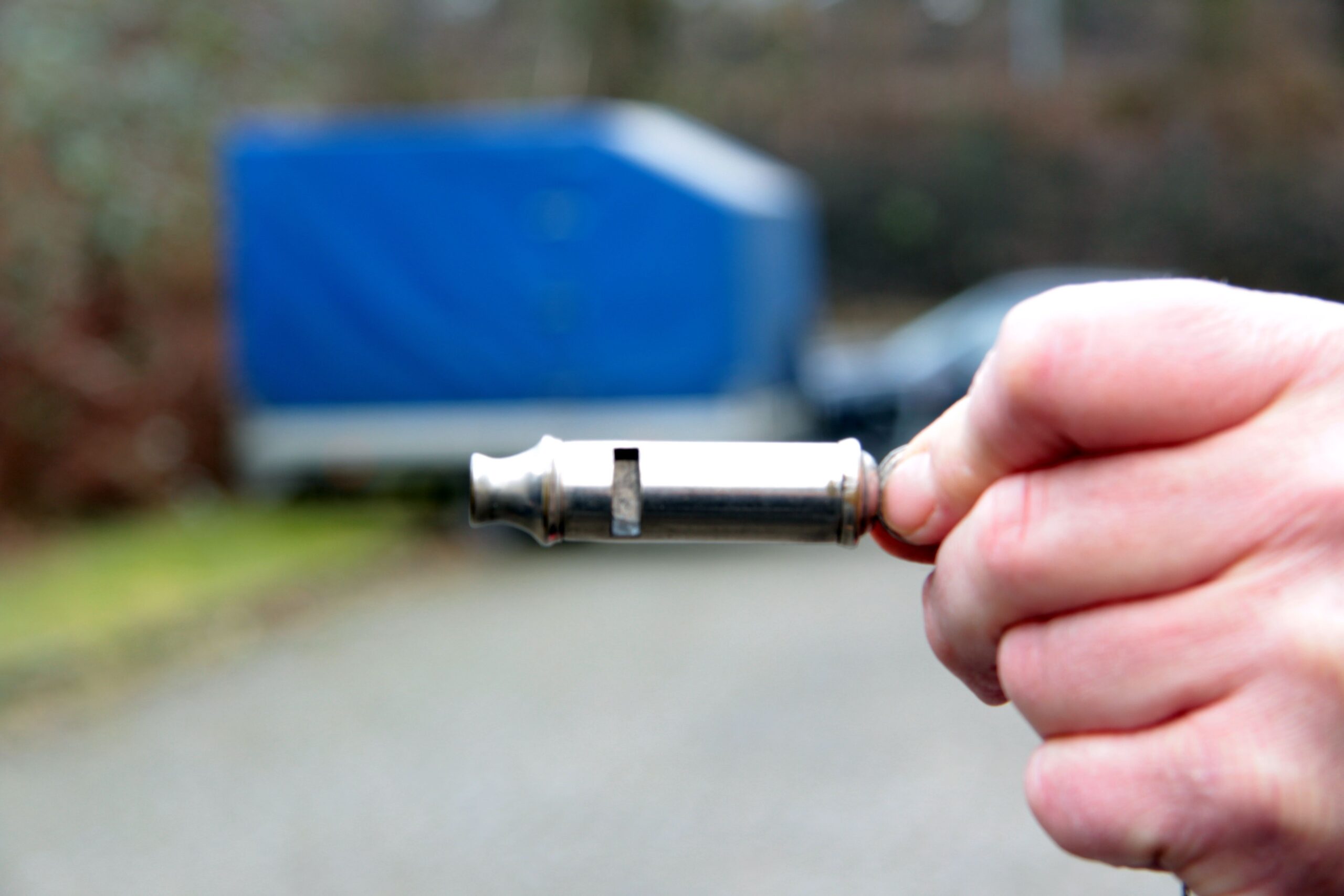
Before this police whistle from the 1980s was included in the historical collection of the Essen police, it had long been an integral part of the police working environment. By use of the whistle policemen were able to attract attention when directing road traffic and could call for reinforcement.
When blown, it creates a sharp tone, unpleasant to most hearers, which therefore makes it an effective signal.
Beginning in the 1980s, the walkie-talkie took the place of the police whistle in many German police units. Today police whistles are used only occasionally in directing street traffic.
Sound recordist: Konrad Gutkowski / Jonathan Nicolai/Anna Pietzuch
Photographer: Konrad Gutkowski / Jonathan Nicolai/ Anna Pietzuch
Video recordist: Konrad Gutkowski / Jonathan Nicolai / Anna Pietzuch
The LWL-Industriemuseum TextilWerk Bocholt is an industrial museum in the small town of Bocholt close to the Dutch border. Its thematic core…
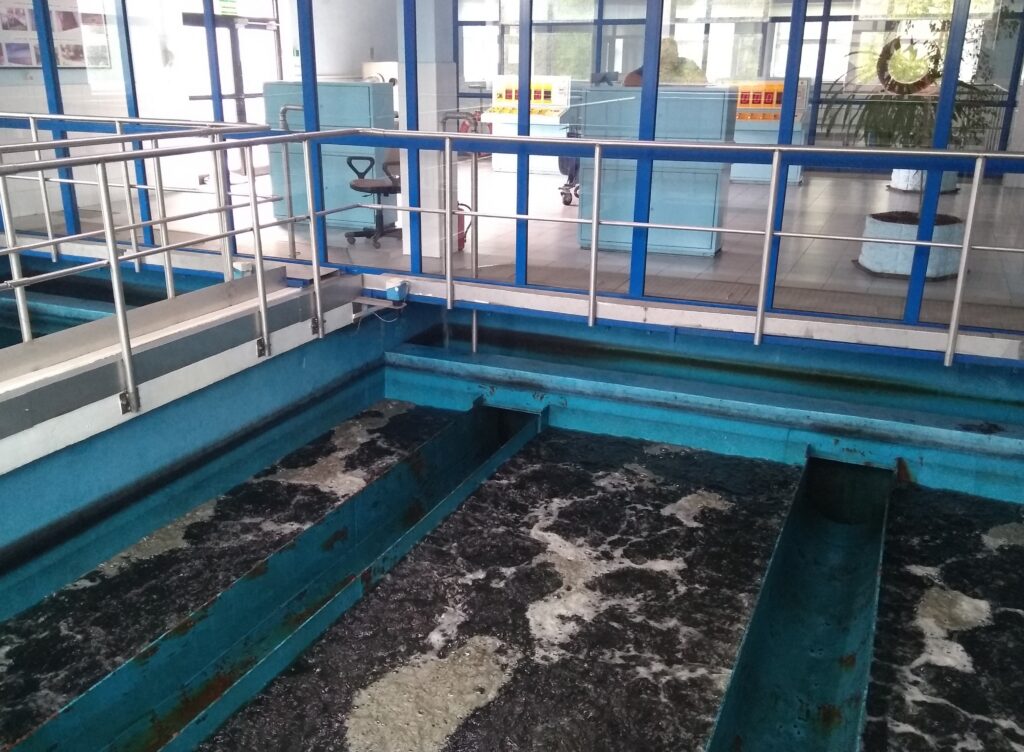
The sound was recorded in the course of aerating the sand filter. Water from the settling tank where most suspended matter was…
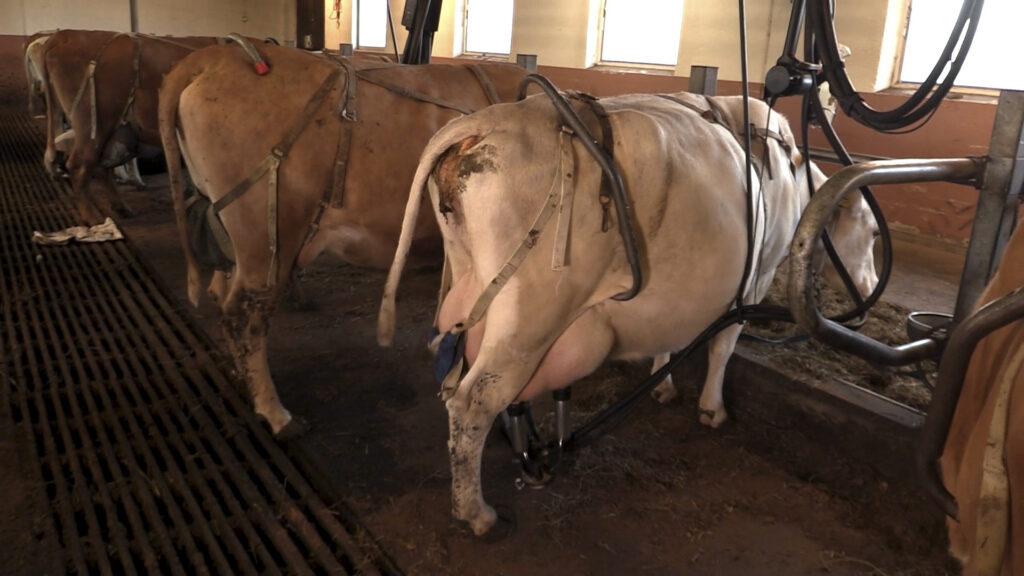
DeLaval milking unit MU350 Video recorder: Elina Inkinen Sound recorder: Sami Laaksonen
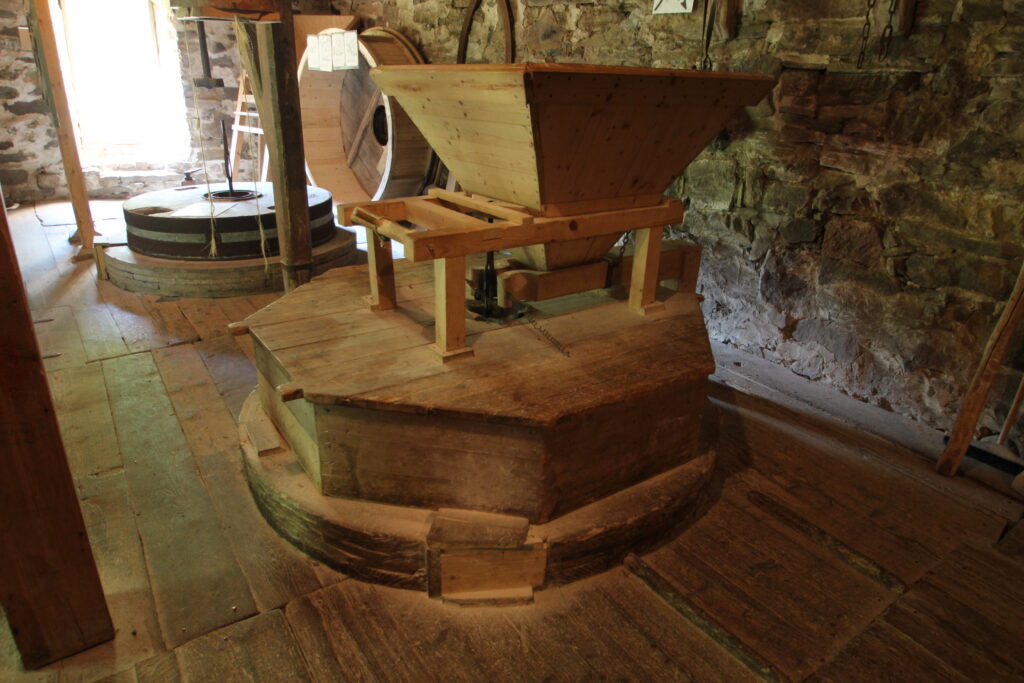
Millstones or mill stones are stones used in grist mills, for grinding wheat or other grains. Millstones come in pairs. The base…