Fridays for future (Linköping): A sound walk
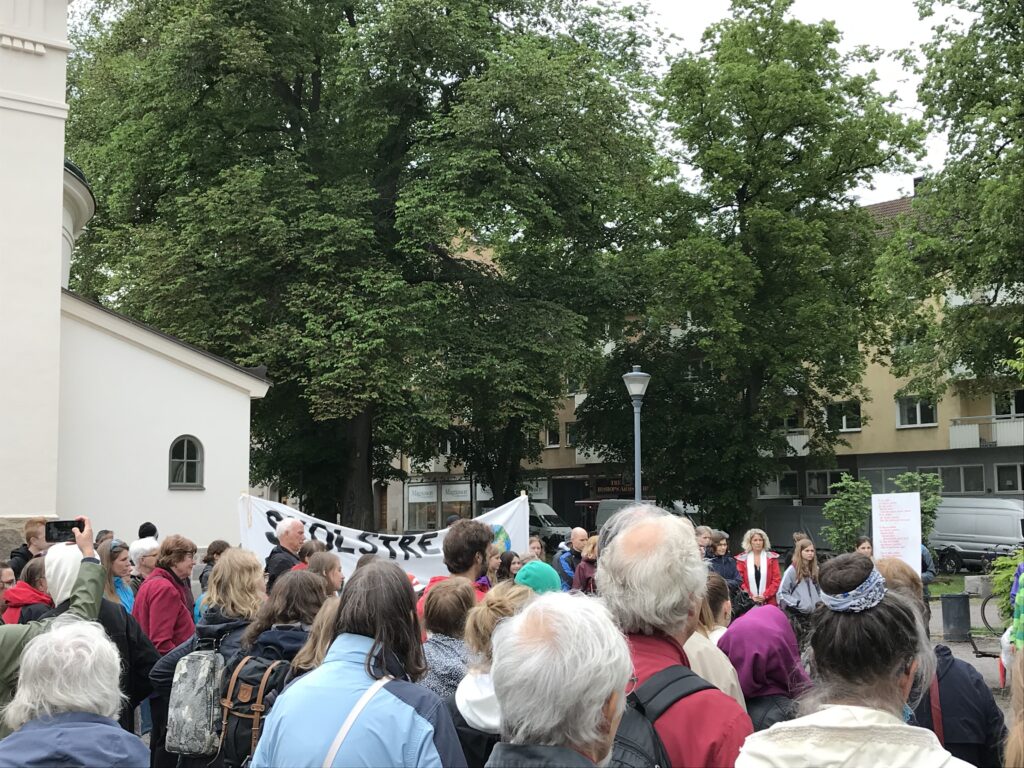
#Fridaysforfuture is a youth protest movement that demands more dedicated climate politics. Swedish teenager Greta Thunberg started the movement, when she went…

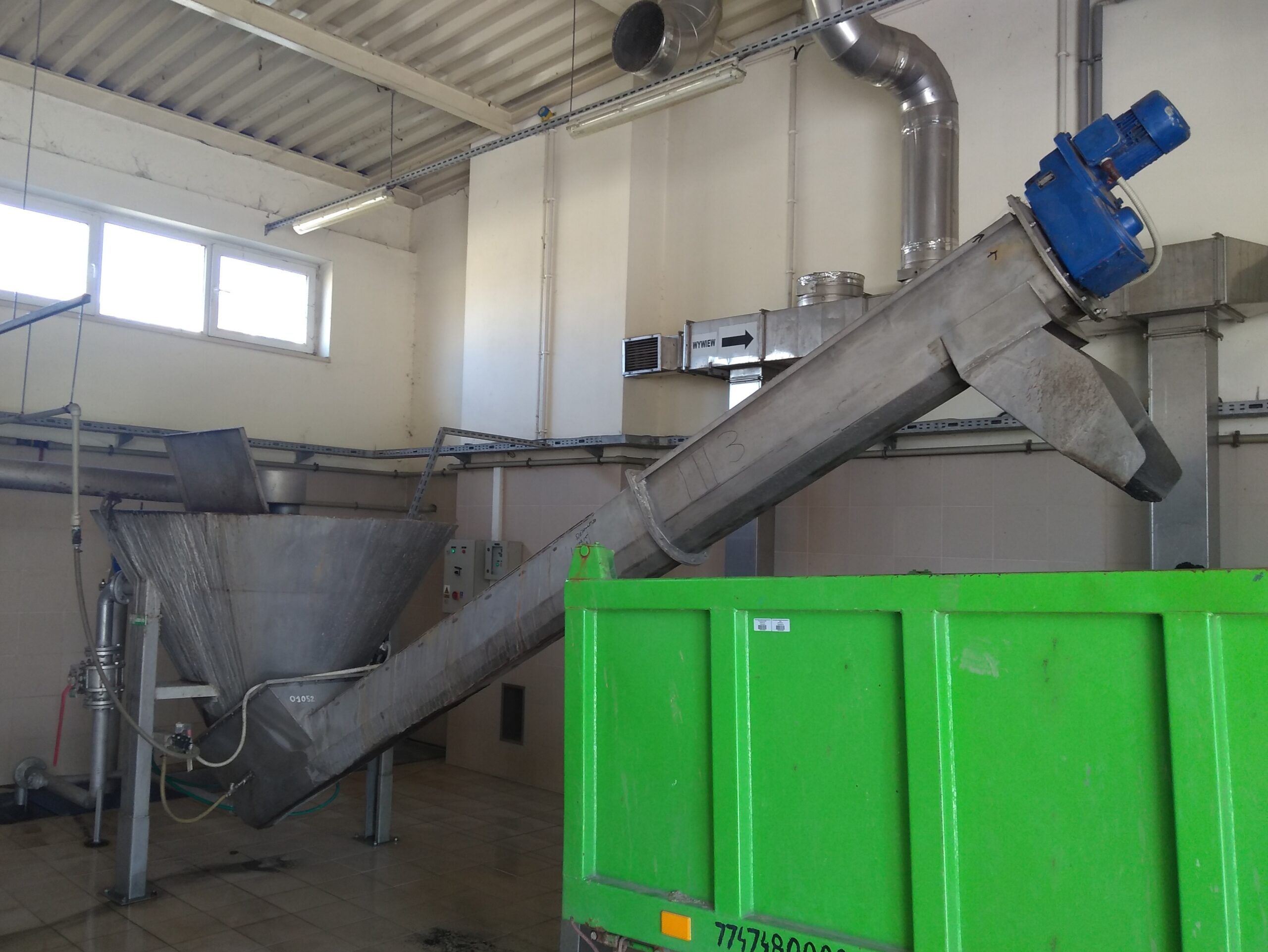
Soundscape recorded in the sand removal building. The installation is used for the final removal of sand from sewage (about 6 tonnes of sand per day).
The recording was made at the Płaszów Sewage Treatment Plant. This is one of two mechanical-biological treatment plants belonging to Miejskie Przedsiębiorstwo Wodociągów i Kanalizacji S.A. in Krakow. The sewage treatment plant in Płaszów serves around 500,000 inhabitants and treats an average of 165,000 m3 of sewage per day.
First, the sewage is pre-treated mechanically: solid impurities are retained on coarse and fine grids, sand is removed in a sand trap, sediment settles in the primary settling tanks. Mechanically treated sewage is channelled to biological reactors where the processes of removing organic compounds, nitrogen and phosphorus using the biomass of bacteria, protozoa and higher organisms (the so-called activated sludge) take place. Then they go to secondary settling tanks where active sludge is separated from the treated sewage. Sewage which has been treated and is now safe for the ecosystem is discharged into the Drwina River. Sludge from the purification process is used to produce biogas which powers electricity generators. Finally, after dewatering the sludge is incinerated at the Sludge Thermal Treatment Station.
The information comes from: https://osplaszow.wkraj.pl/#/62657/0
Sound recording: Monika Widzicka
Photo: Piotr Żabicki
#Fridaysforfuture is a youth protest movement that demands more dedicated climate politics. Swedish teenager Greta Thunberg started the movement, when she went…
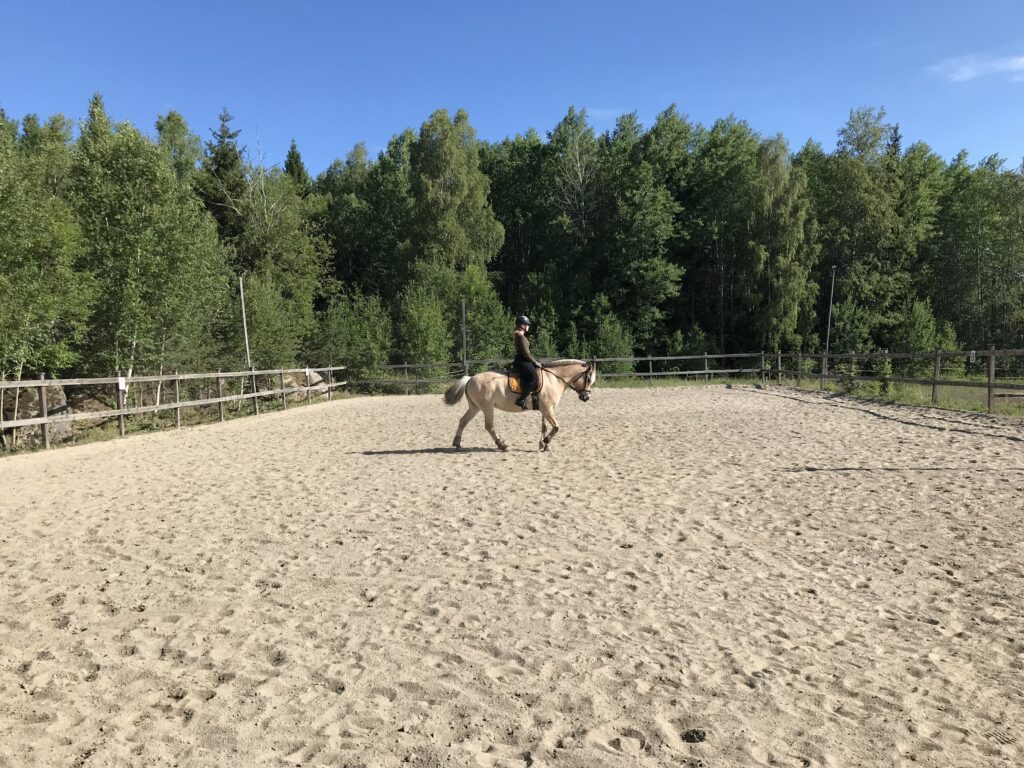
For the last part of our stable-bound adventure we have the saddling and riding of the horse. Photo and recording by Erik…
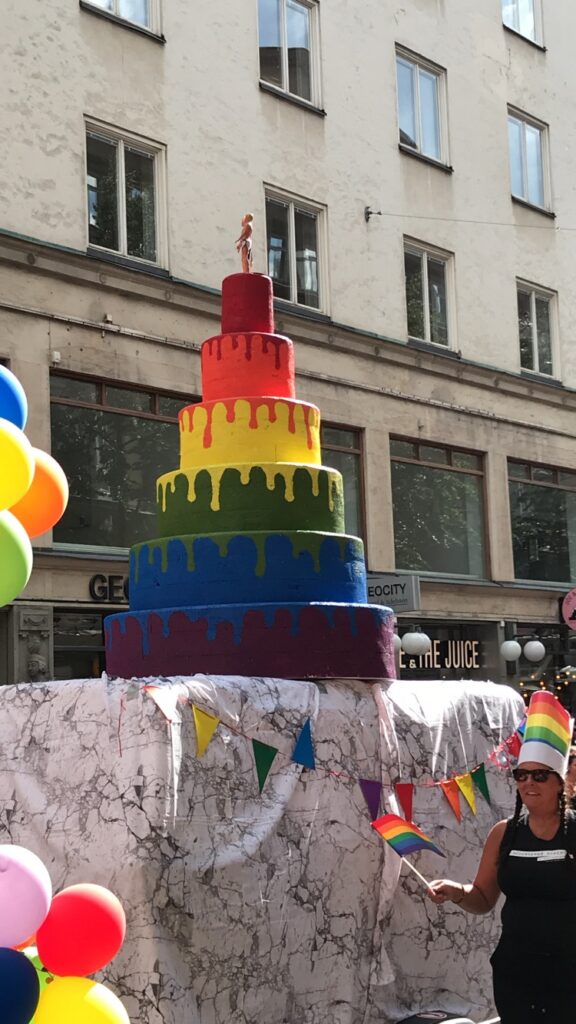
This is the soundscape of how it sounds being a viewer of the annual pride parade in Stockholm. The soundscapes stretches for…
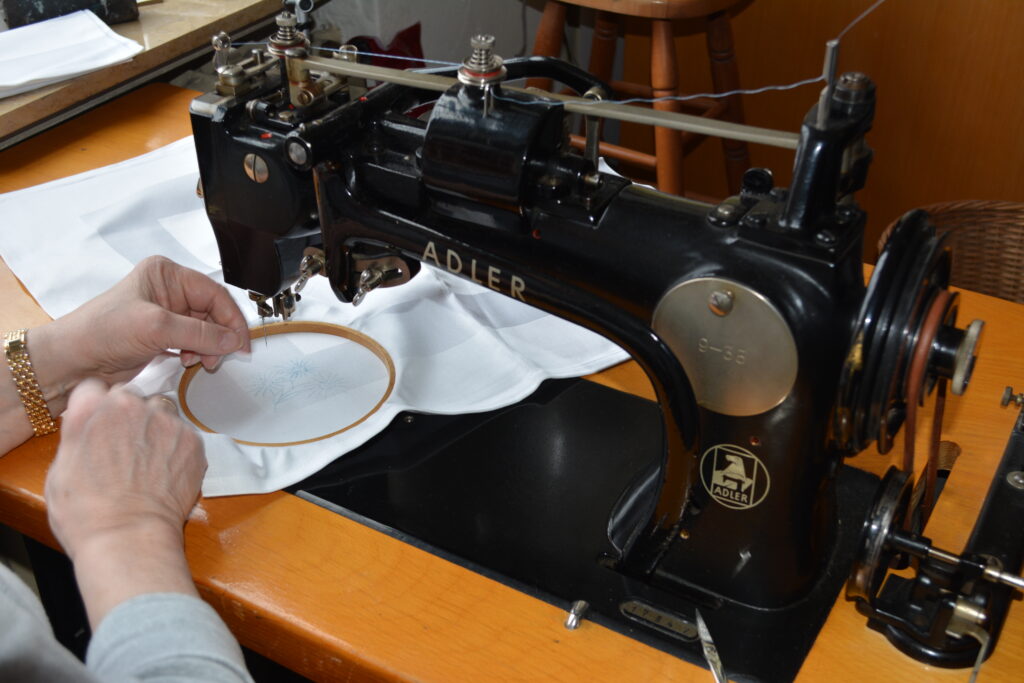
The Adler embroidery machine, model 9-35 (built around 1900), was operated by women in the Vereinigten Wäschefabriken (United Linen Works) Juhl &…