Demolishing and rebuilding Hämeensilta -bridge (part 1)
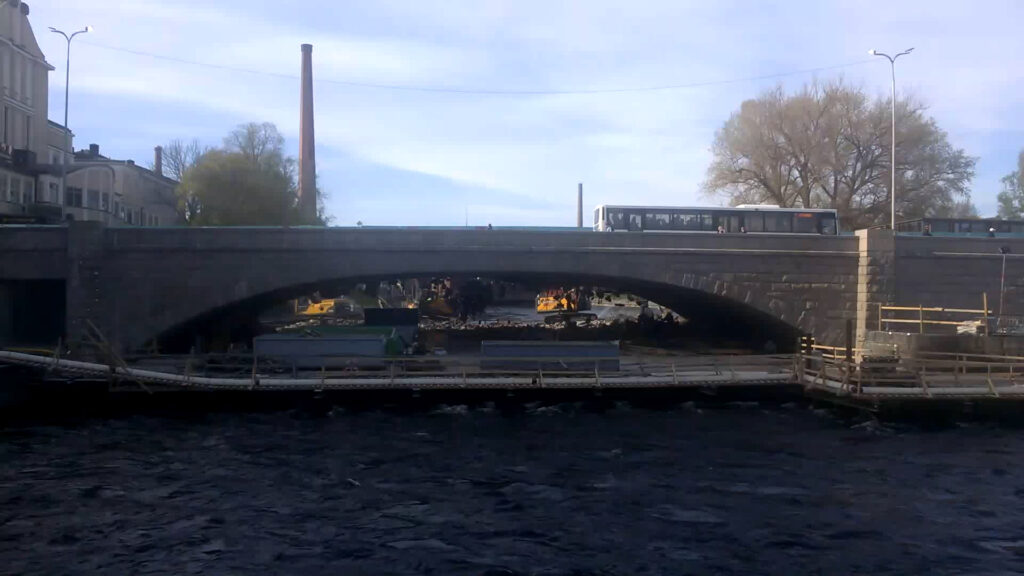
In Tampere the main road is called Hämeenkatu. It crosses the city from the railwaystation in east to Aleksanterin kirkko (Church of…

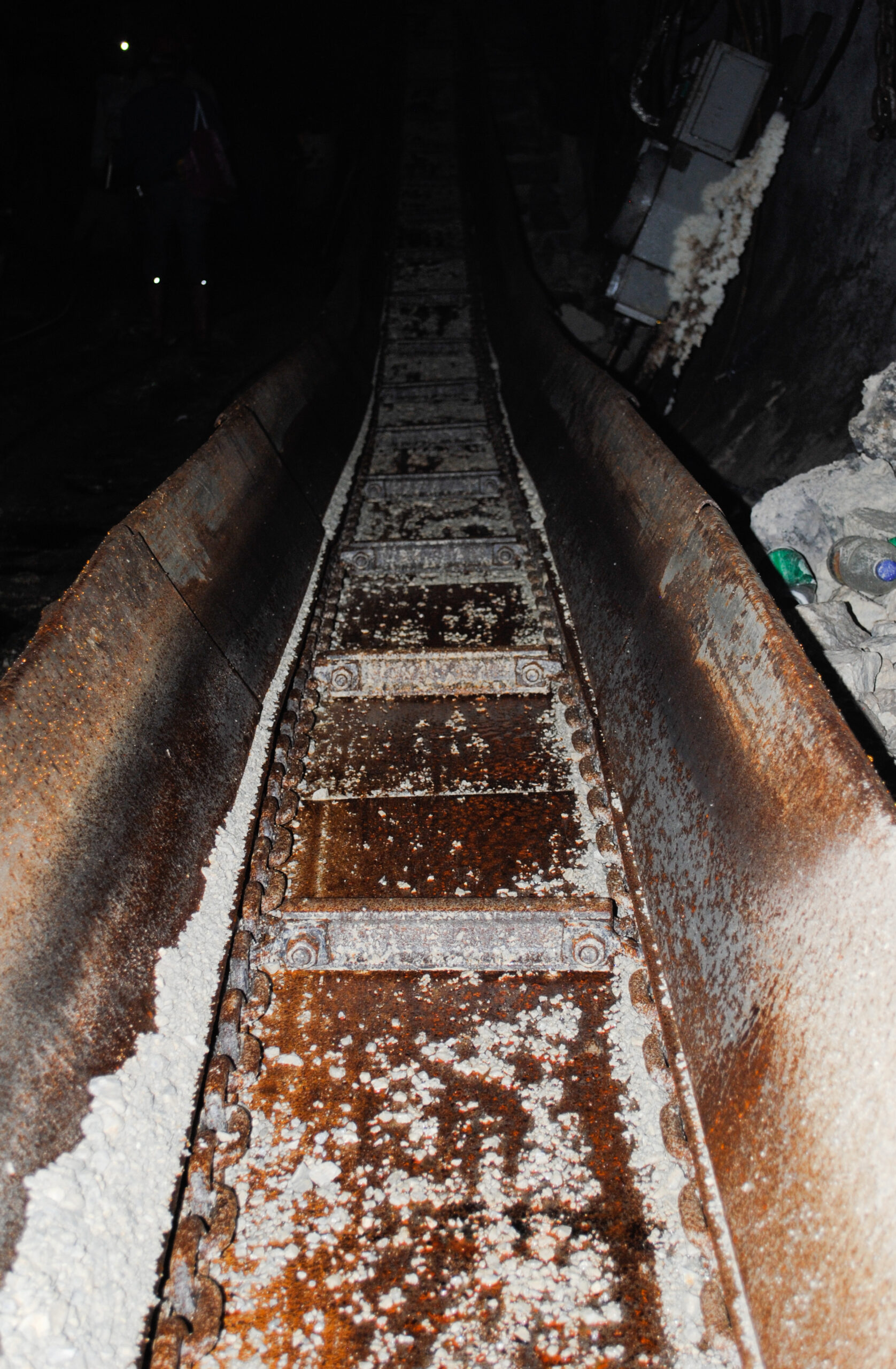
The sound of a two-chain conveyor operating in the mine. It was used for the conveying of coal extracted from the coalface and for bringing in the filling material (sand) during the current period of mine closure. The engine output is 45kW. The conveyor is made of 1.5 metre long chutes and has two chains connected with metal bars that push the material down the chutes. It was produced by the local machine manufacturer STT (Strojna Tovarna Trbovlje) in 1990.
The sound was recorded in the Trbovlje-Hrastnik coal mine which has a long tradition. The first mine in the Trbovlje area, founded by the entrepreneur Franz Maurer from Wiener Neustadt, Austria, started to operate in 1804. It was later followed by several smaller mines. The arrival of the Austrian Southern Railway to the Zasavje region in 1849 was a double gain: it facilitated the transport of coal to clients whilst simultaneously the railway itself was a major customer itself, having a great need for coal. In 1873 all the coal mines in Zasavje were merged under Trboveljska Premogokopna Družba (Trbovlje Coal Mining Company) which remained the proprietor until WWII. After 1946 all coal mines were nationalised by the new socialist authorities. Zasavje coal mines reached their peak of production and technological development in the second half of the 20th century. After 1991 coal was no longer considered the energy source of the future, and so the state decided to gradually close the mine. The extraction of coal ceased in 2010 and the company focused exclusively on closing it down which should be completed by 2018.
Sound recordist: Dušan Oblak
Photographer: Neža Renko
In Tampere the main road is called Hämeenkatu. It crosses the city from the railwaystation in east to Aleksanterin kirkko (Church of…
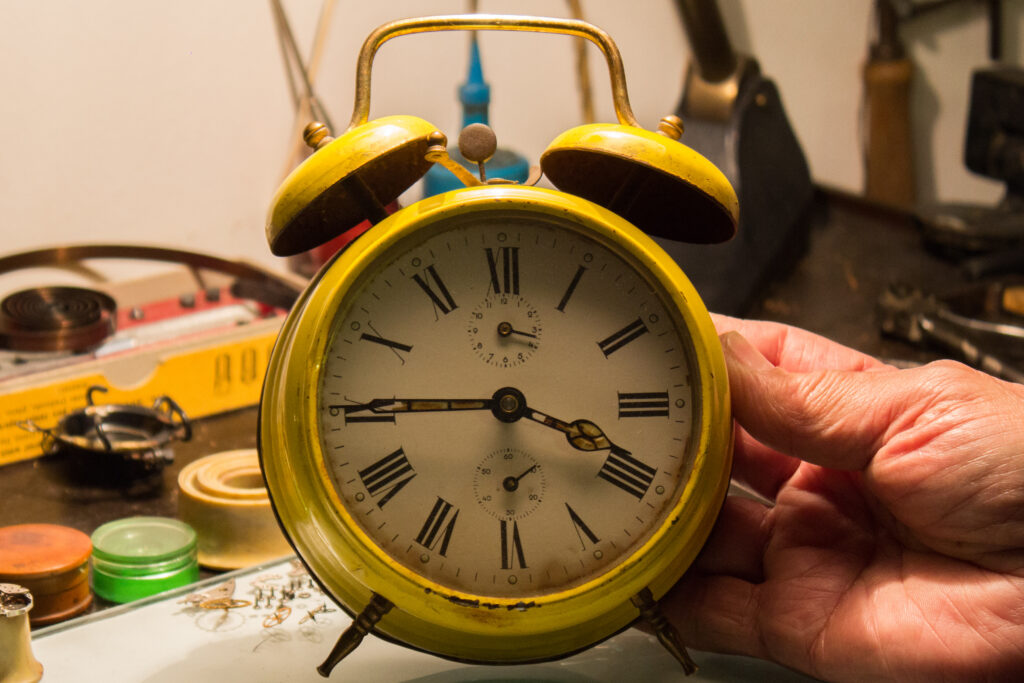
A twin-bell, Roman dial alarm clock in a yellow casing of an unknown manufacturer. It most likely originates from the first half…
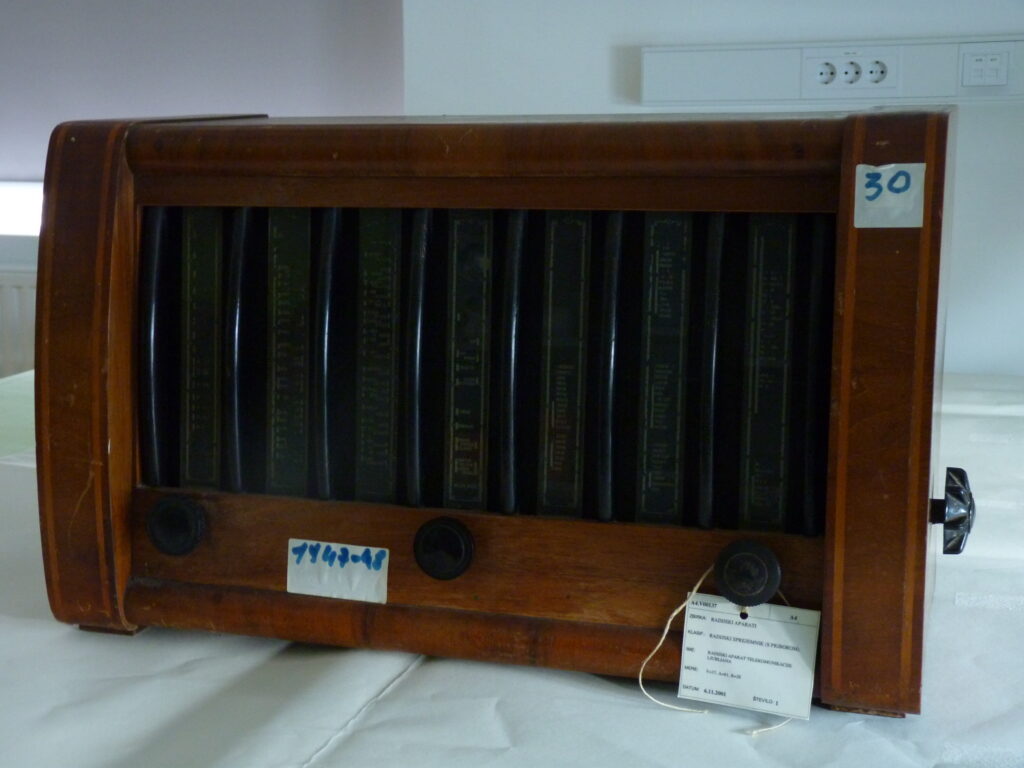
The sound of changing the radio frequency. Radio is from the collections of the Technical Museum of Slovenia. It was produced by…
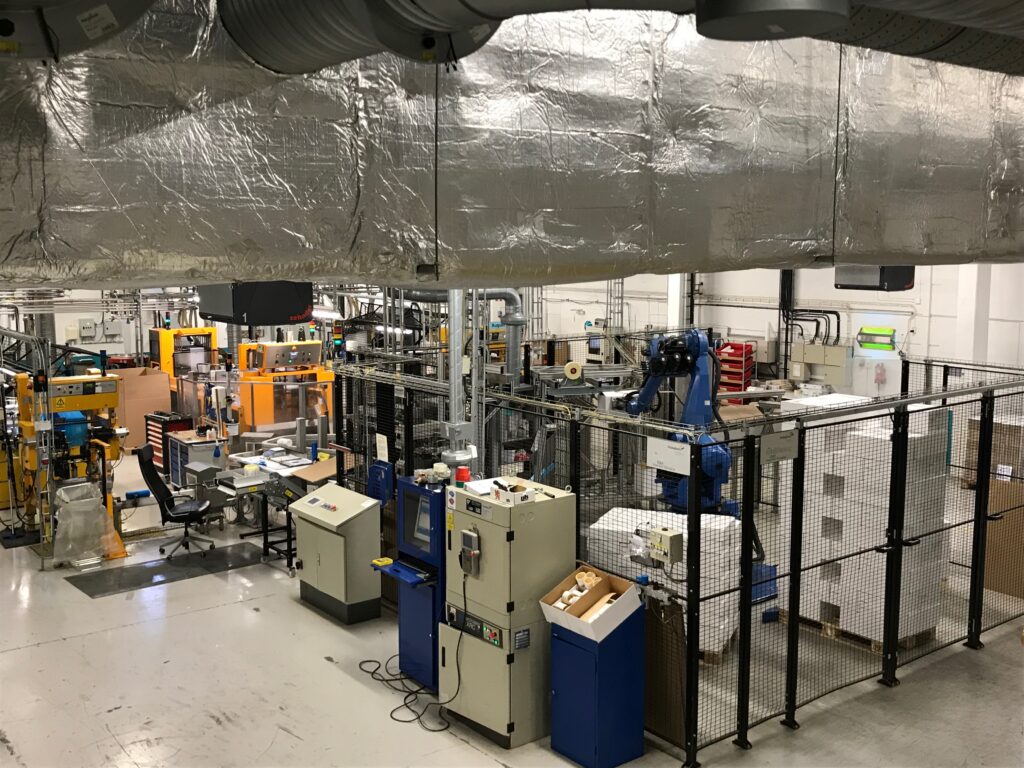
This is a machine that takes squares of plastic that has already been produced and then tears out the plastic piping bags…